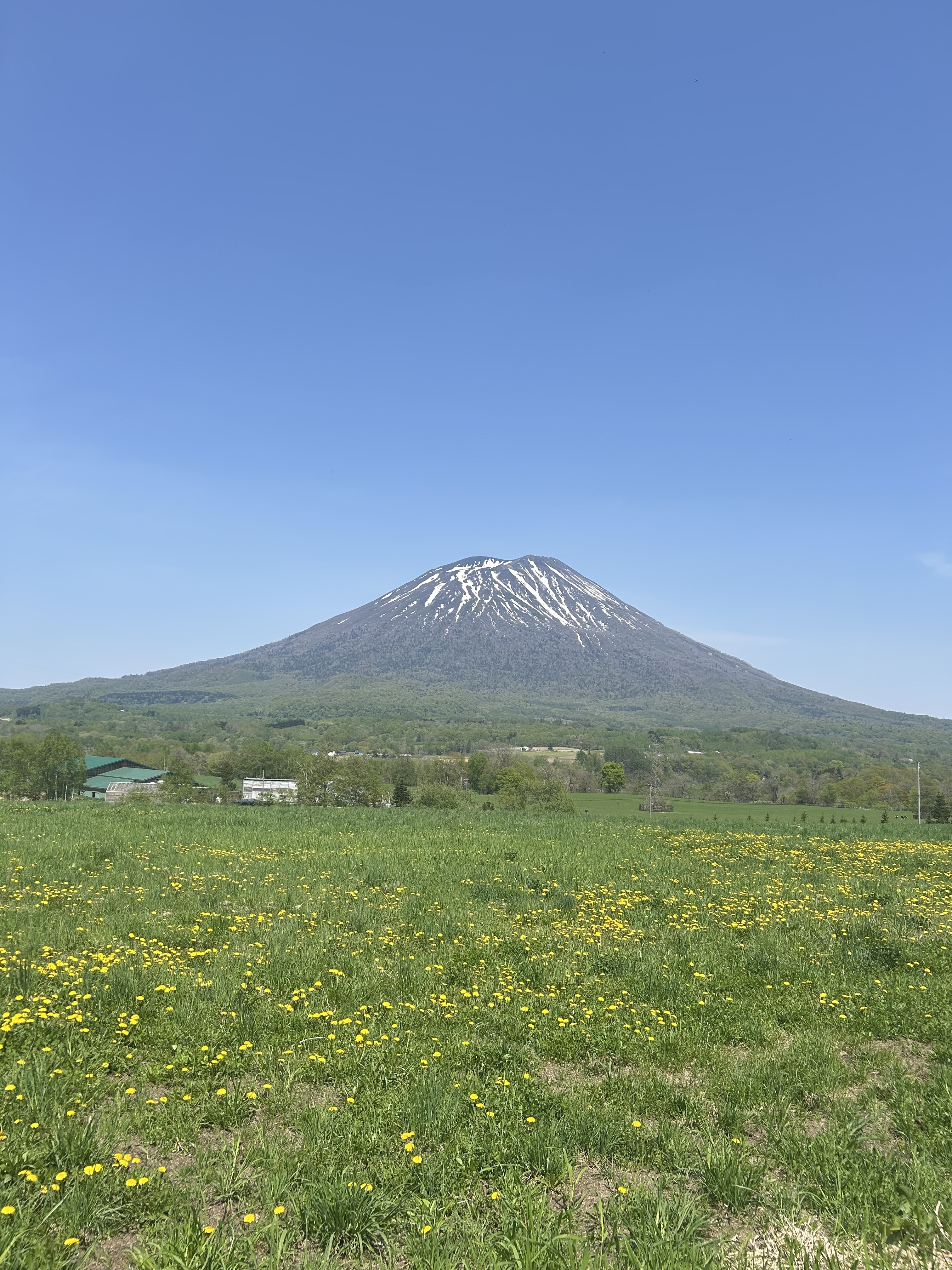
Seasonal Produce
Corn, potatoes, vegetables, berries, and other seasonal produce reveal the agricultural character of the region. Timing matters, and the best experiences often follow what the land is producing at that moment.
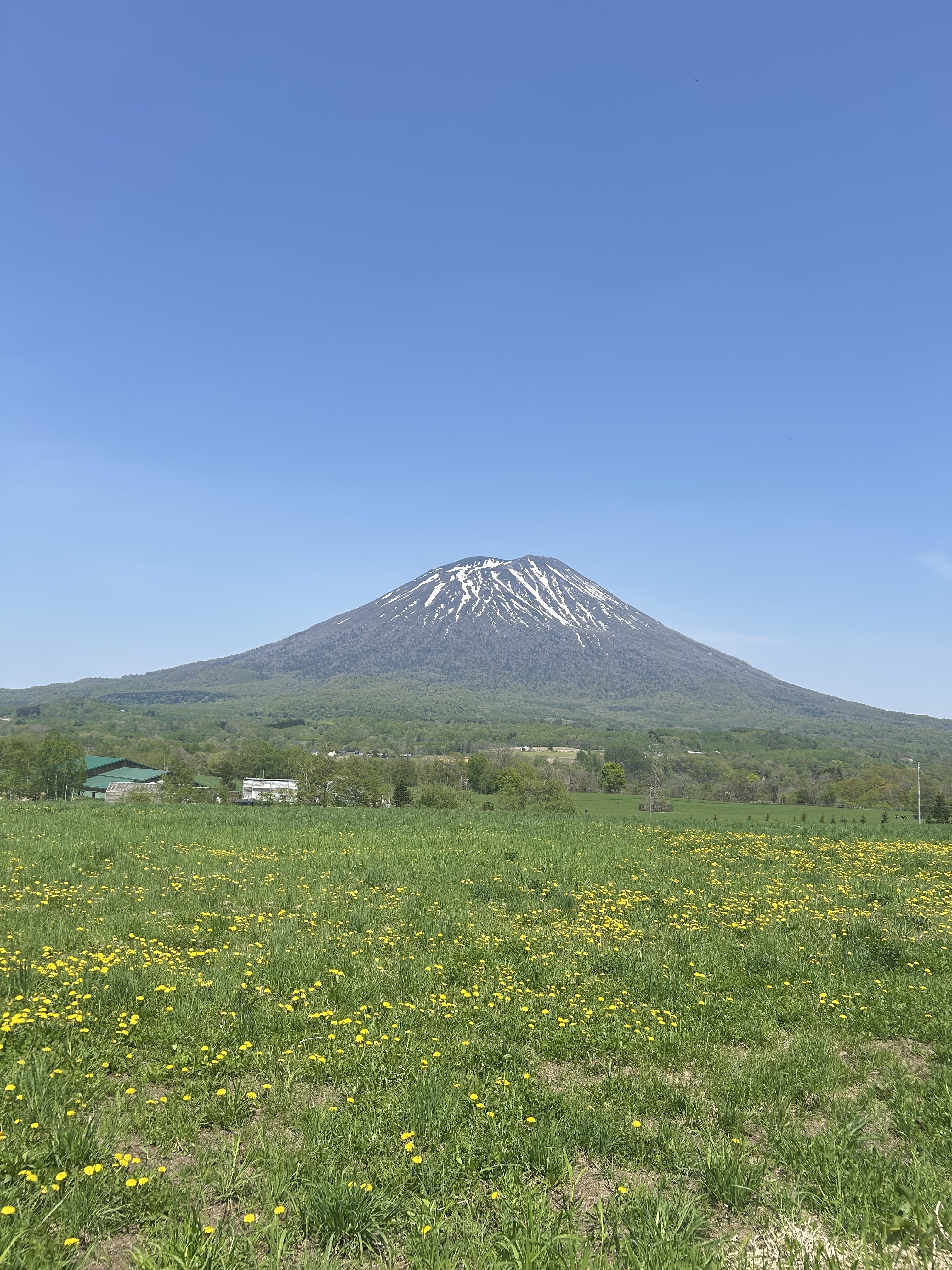
Mountains, agriculture, and a distinctly Hokkaido way of life.
Niseko is internationally known for its winter snow and sophisticated resort infrastructure. Yet the character of the region extends well beyond the ski season.
Beneath the international reputation is a landscape shaped by mountains, rivers, agriculture, volcanic soil, and communities whose history is distinctly Hokkaido. In summer, the same mountains that draw skiers become the backdrop to farms, walking trails, cycling routes, gardens, and a remarkably productive food culture.
For travelers returning to Japan for a second or third visit, Niseko can offer something quite different from the country's better-known cultural centers. The atmosphere is less formal, the relationship with the landscape is more immediate, and the frontier history of Hokkaido remains part of the region's identity.
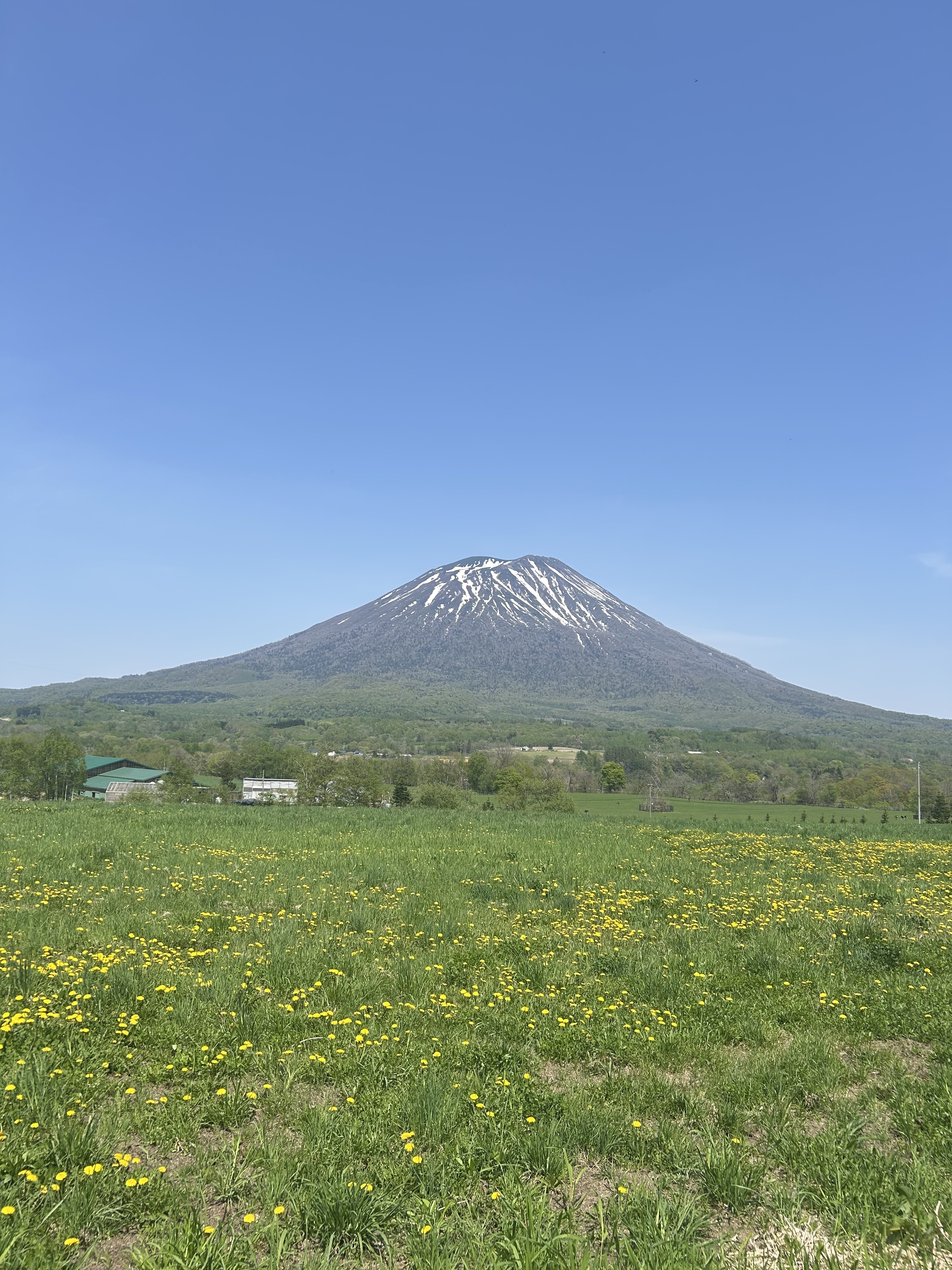
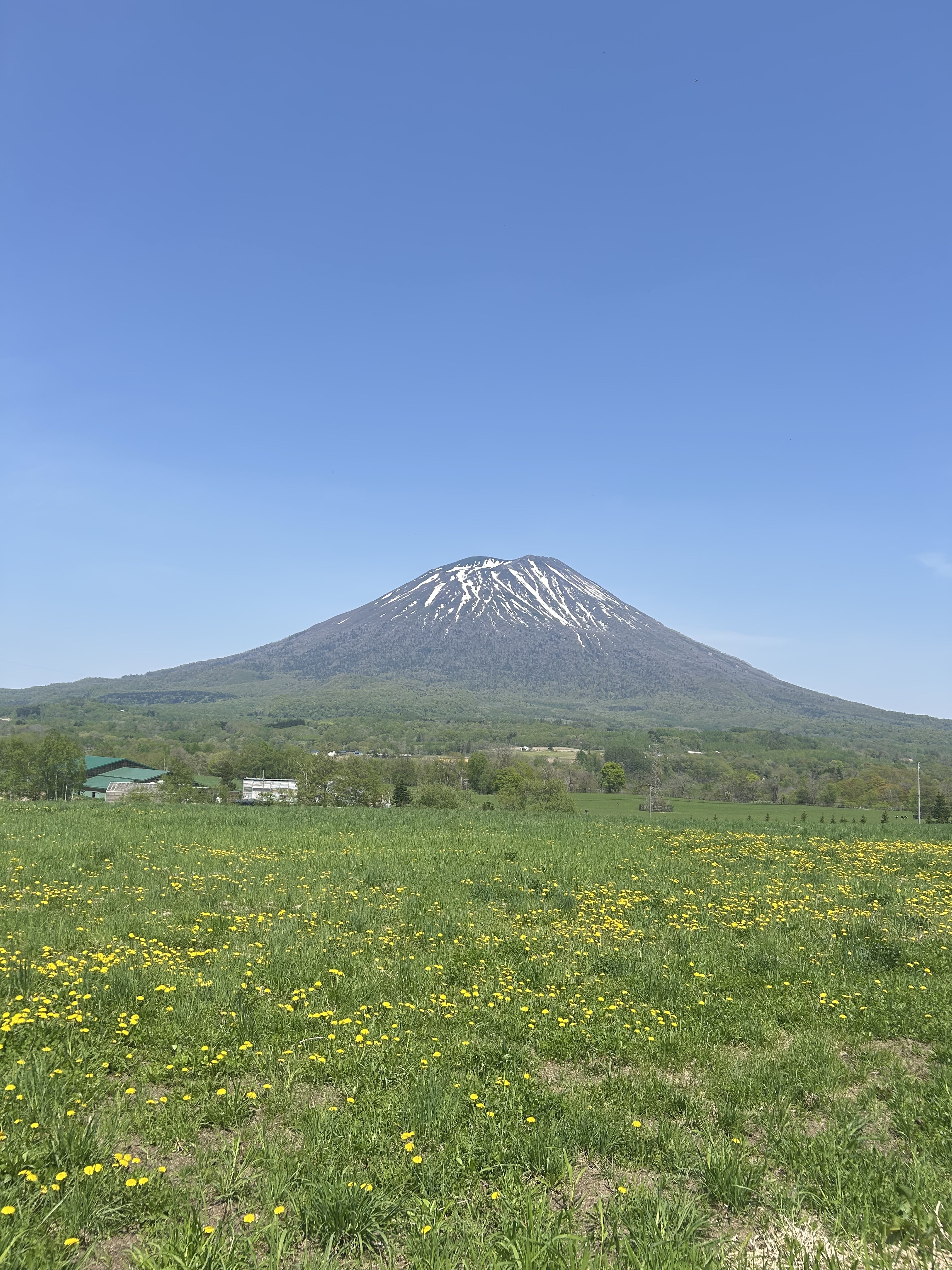
Niseko sits beneath the dramatic volcanic form of Mount Yotei and within the broader Niseko mountain range. The landscape is unusually varied for such a compact destination: alpine terrain, forest, rivers, pasture, and agricultural fields all sit within easy reach of one another.
This geography is central to understanding Hokkaido's food culture. Cool summers, volcanic soils, abundant water, and large areas of agricultural land support an impressive range of produce, dairy, livestock, and grain.
Our guides use this landscape as more than scenery. A journey through Niseko can connect the mountains directly to the farms, producers, and kitchens that depend upon them.
Hokkaido's history developed differently from that of much of Japan. Long before modern settlement, the island was home to the Ainu, whose culture developed around the land, waterways, wildlife, and seasonal movement.
From the late nineteenth century onward, large-scale development transformed Hokkaido. Farmers, settlers, and entrepreneurs arrived from across Japan, bringing new agricultural practices and industries to a landscape that was still comparatively sparsely populated.
That history helped create something of a frontier character. Hokkaido's towns and communities often feel more open and informal than the image many overseas visitors associate with Japan.
Niseko today is international in a very modern sense, but that openness is not entirely new. It is part of a longer Hokkaido story shaped by migration, agriculture, exploration, and an unusually close relationship with the surrounding landscape.
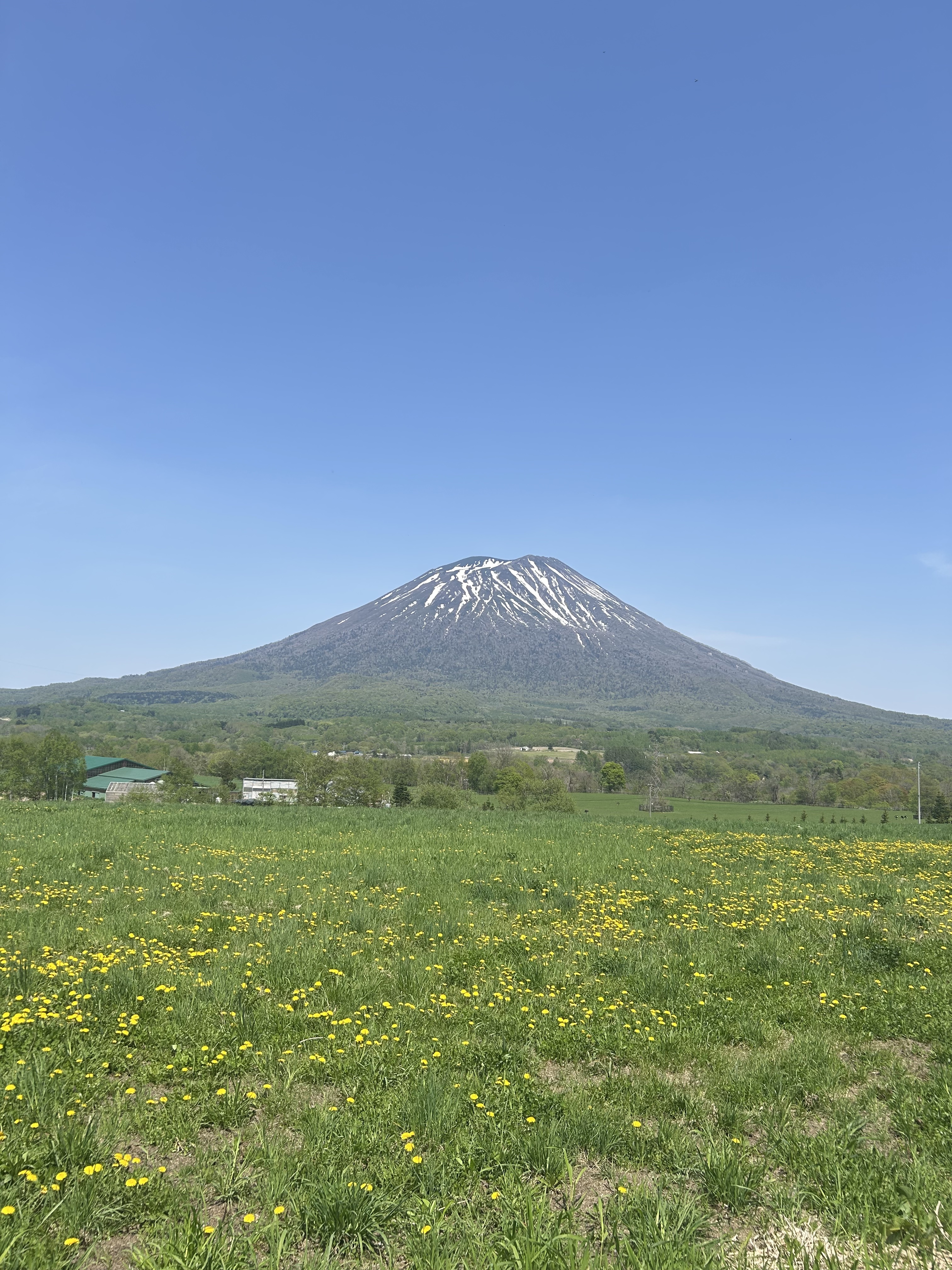
Visitors who have already spent time in Tokyo, Kyoto, or Osaka often notice a subtle difference when they arrive in Hokkaido. The pace is different. Conversations can feel more direct. Communities are often closely connected to the landscape and the industries around them.
For a traveler, these differences can be difficult to discover through a conventional itinerary. They are found in the people who run farms, restaurants, mountain businesses, workshops, and small local enterprises.
This is where a knowledgeable guide changes the experience. Rather than simply visiting a destination, guests can be introduced to the people and places that give it character.
Food is one of the most revealing ways to understand Hokkaido. Its cuisine reflects the island's agricultural history, climate, access to the sea, and distance from Japan's traditional cultural centers.
Corn, potatoes, vegetables, berries, and other seasonal produce reveal the agricultural character of the region. Timing matters, and the best experiences often follow what the land is producing at that moment.

Hokkaido's dairy industry has become one of the defining elements of its modern food identity. Milk, butter, cheese, and other products connect the visitor directly to the farms surrounding Niseko.
Niseko's dining scene ranges from refined contemporary restaurants to small local establishments. Our guides can help curate meals around the guest's interests, season, dietary requirements, and preferred level of formality.
Niseko is easy to visit. Understanding it is something else.
Our approach is to use the destination as a starting point rather than an itinerary in itself. A mountain walk might lead to a farm. A meal might become an introduction to the producer behind it. A drive through the countryside might reveal a historical landscape that would otherwise pass unnoticed.
These details are difficult to package into a standard tour. They depend on relationships, local knowledge, timing, and an understanding of what a particular guest finds meaningful.
Walk, hike, or explore the Niseko landscape with a guide who can interpret the mountains, forests, waterways, and changing seasons.
Discover the agricultural side of Niseko through seasonal produce, local producers, farms, and carefully selected meals.
Explore the history that distinguishes Hokkaido from the rest of Japan, from its Ainu heritage to modern settlement and development.
Build a day around the interests of the guest, combining landscape, food, culture, and local encounters at a pace appropriate for a private journey.
Tell us what interests your guests, and we can shape a private experience around the landscape, people, food, and culture of Hokkaido.
Plan an Experience