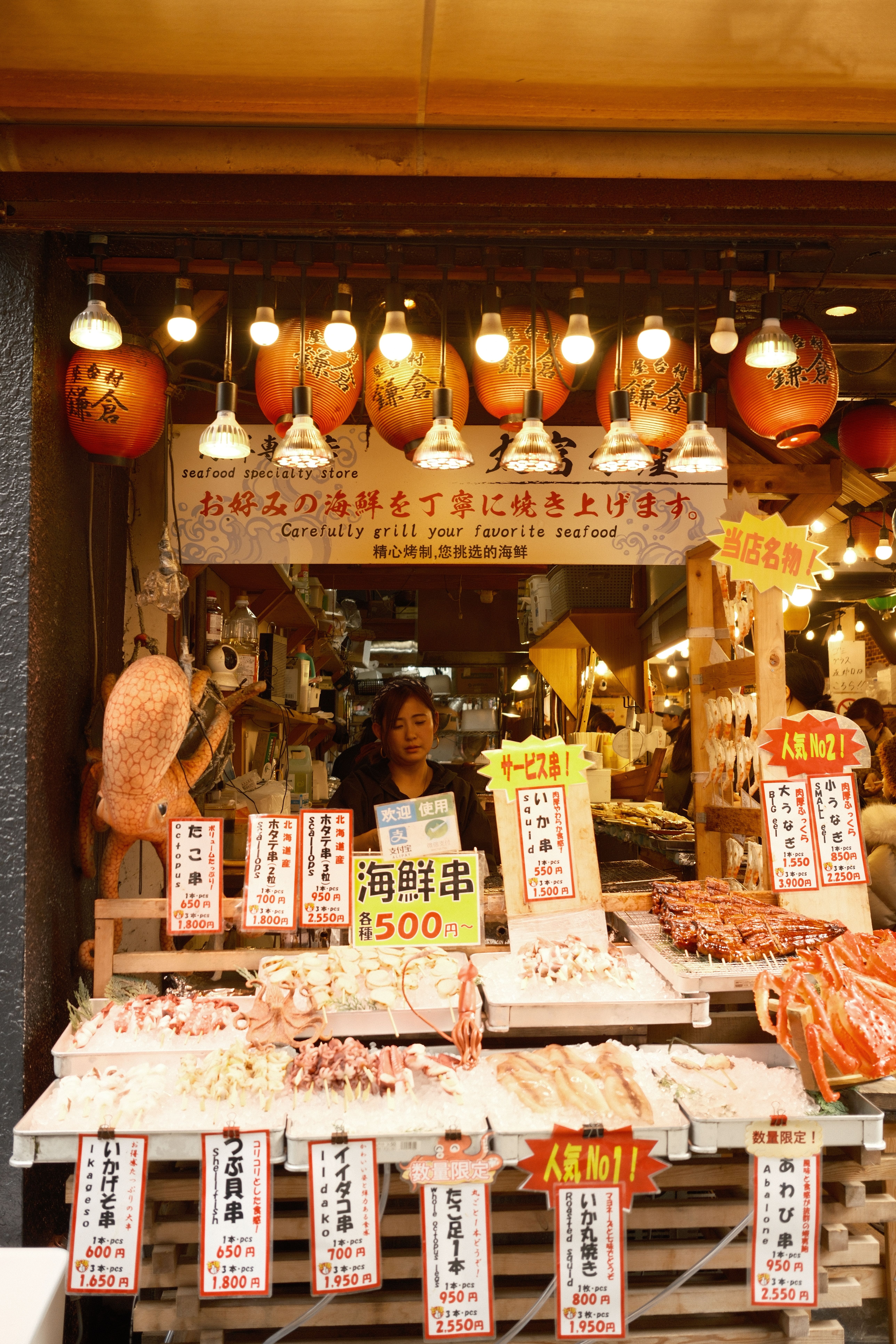
Seafood
Surrounded by productive waters, Hokkaido is known for seafood ranging from sea urchin and scallops to crab, salmon, and seasonal fish. Sapporo brings that abundance into the city, from markets and sushi counters to refined restaurants.
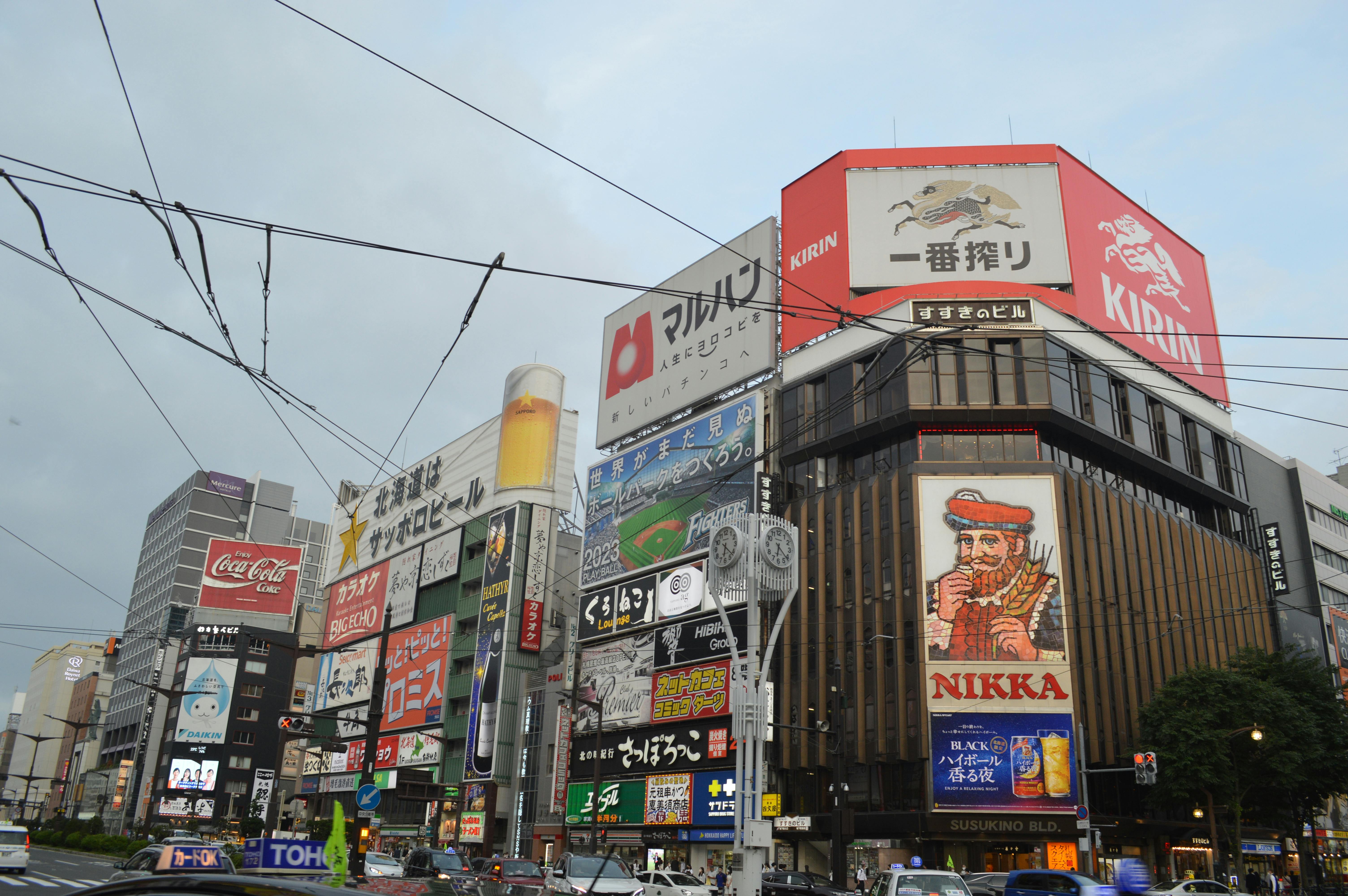
The northern capital.
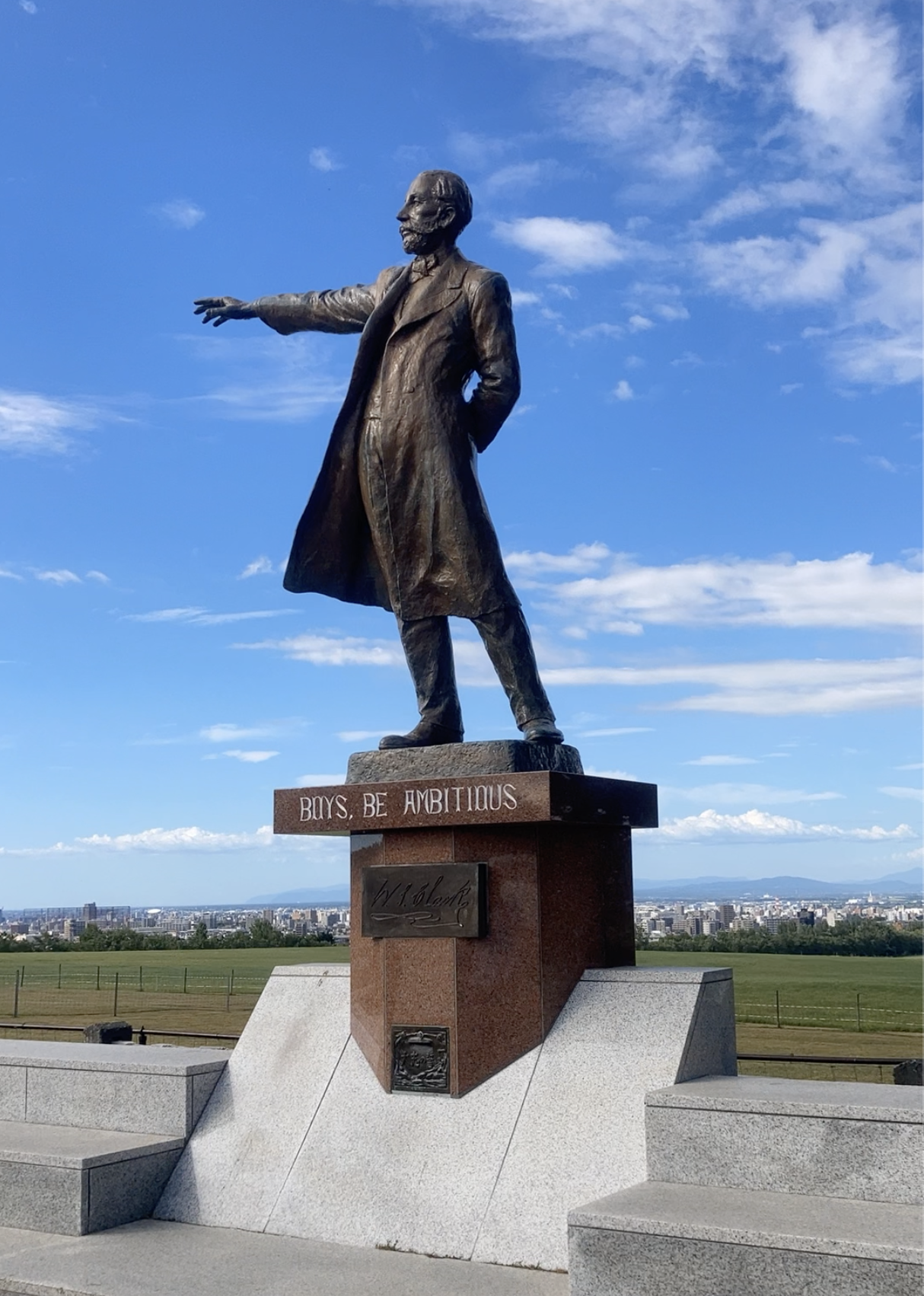
Few figures capture the story of modern Sapporo as vividly as William Smith Clark. An American educator and agricultural scientist, Clark came to Sapporo in 1876 to help establish Sapporo Agricultural College, bringing with him ideas about education and agriculture shaped by the United States.
His stay was brief, but his influence became lasting. The college formed part of a much larger effort to develop Hokkaido during the early Meiji period, when Japan looked to Western technology, education, and industry as it transformed its northern frontier.
Clark's famous parting words, traditionally remembered as “Boys, be ambitious,” have since become part of Hokkaido's cultural mythology. His statue is more than a familiar landmark: it offers a starting point for understanding why Sapporo feels different from many of Japan's older cities.
Sapporo is unusually young for a major Japanese city. Its modern development accelerated in the late nineteenth century, when it was selected as the administrative center of Hokkaido and deliberately planned as a new city.
Its broad streets and regular grid reflect that history. Western planning ideas were introduced alongside Japanese traditions, while railways, agriculture, education, and industry helped establish Sapporo as the economic center of the island.
The result is a city that can feel subtly unfamiliar to visitors who have already spent time in Tokyo, Kyoto, or Osaka. The difference is not simply architectural. Sapporo emerged from a period of rapid experimentation and settlement, rather than from centuries of continuous urban development.
Understanding that history helps explain the openness and practicality that many visitors notice when they encounter Hokkaido.
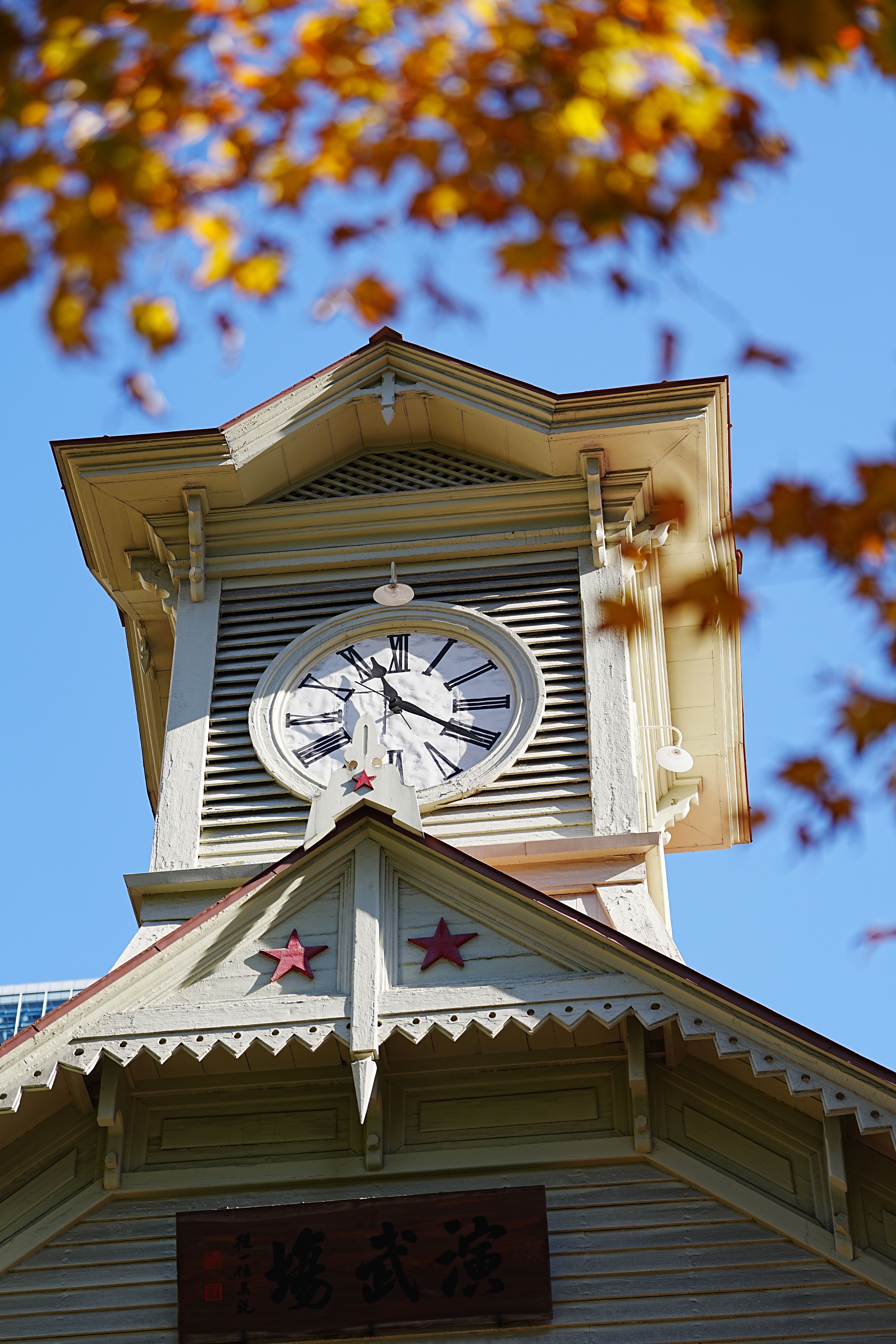
Sapporo became the center of a much larger project: the development of Hokkaido itself. Farmers, settlers, educators, engineers, and entrepreneurs arrived from different parts of Japan, while the government encouraged agriculture and industry on a scale that was unusual for the country's northern frontier.
That legacy can still be read in the city. Agriculture, food production, brewing, railways, and trade all helped shape the modern identity of Sapporo.
Rather than being an isolated chapter of history, this period explains much of what makes Hokkaido's capital distinctive today.
Sapporo is where much of Hokkaido's agricultural and marine abundance comes together. The city's food culture reflects the island's climate, surrounding seas, dairy industry, agriculture, and relatively recent history.
For travelers who have already experienced Japan's better-known culinary centers, this is one of Sapporo's most compelling differences. The flavors are recognizably Japanese, but the ingredients, traditions, and history behind them belong distinctly to the north.
Surrounded by productive waters, Hokkaido is known for seafood ranging from sea urchin and scallops to crab, salmon, and seasonal fish. Sapporo brings that abundance into the city, from markets and sushi counters to refined restaurants.
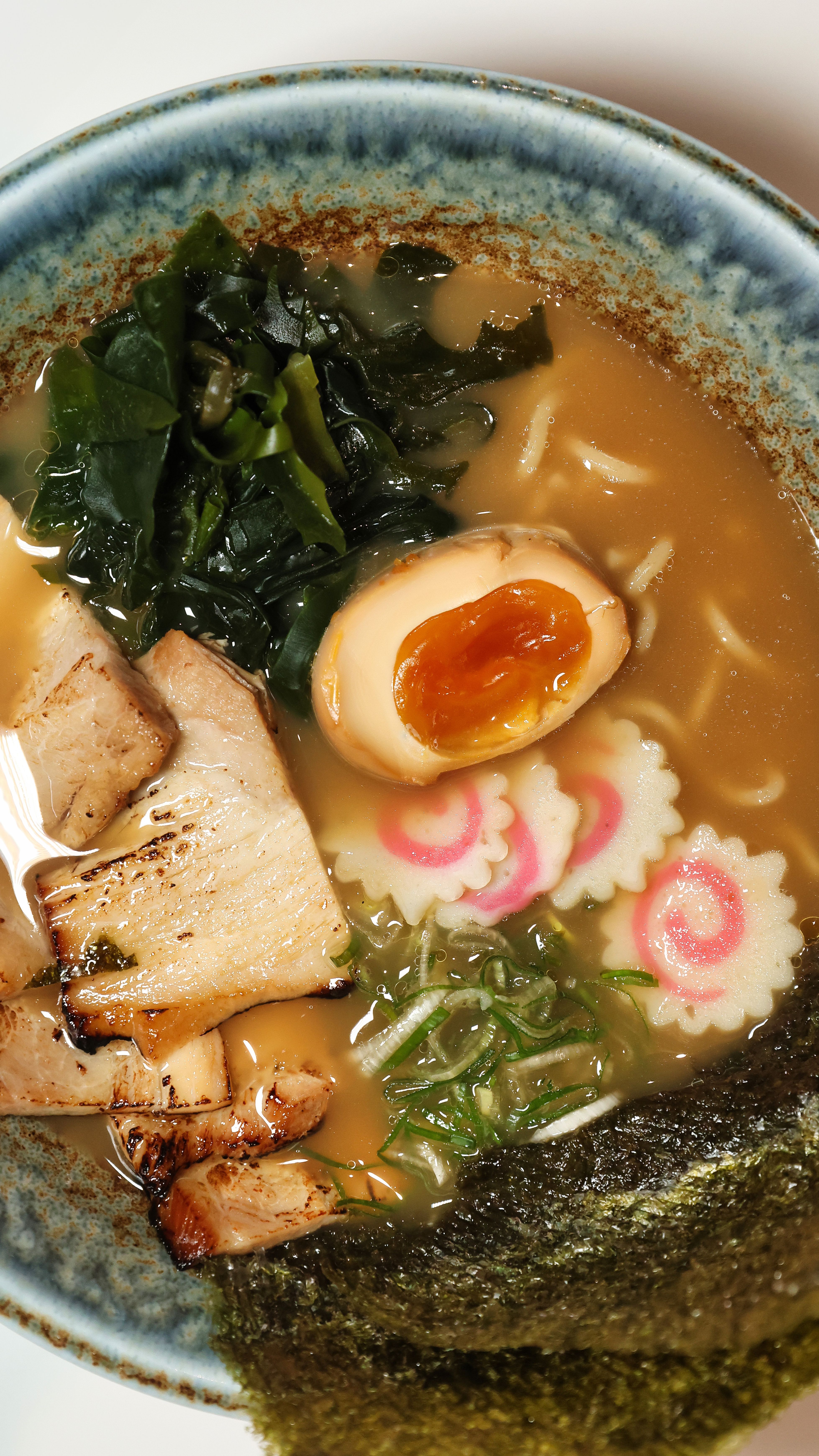
Sapporo's miso ramen is one of Hokkaido's best-known culinary signatures. Its warmth and richness suit the northern climate, while dedicated ramen alleys preserve a distinctly local approach to this now-famous Japanese dish.
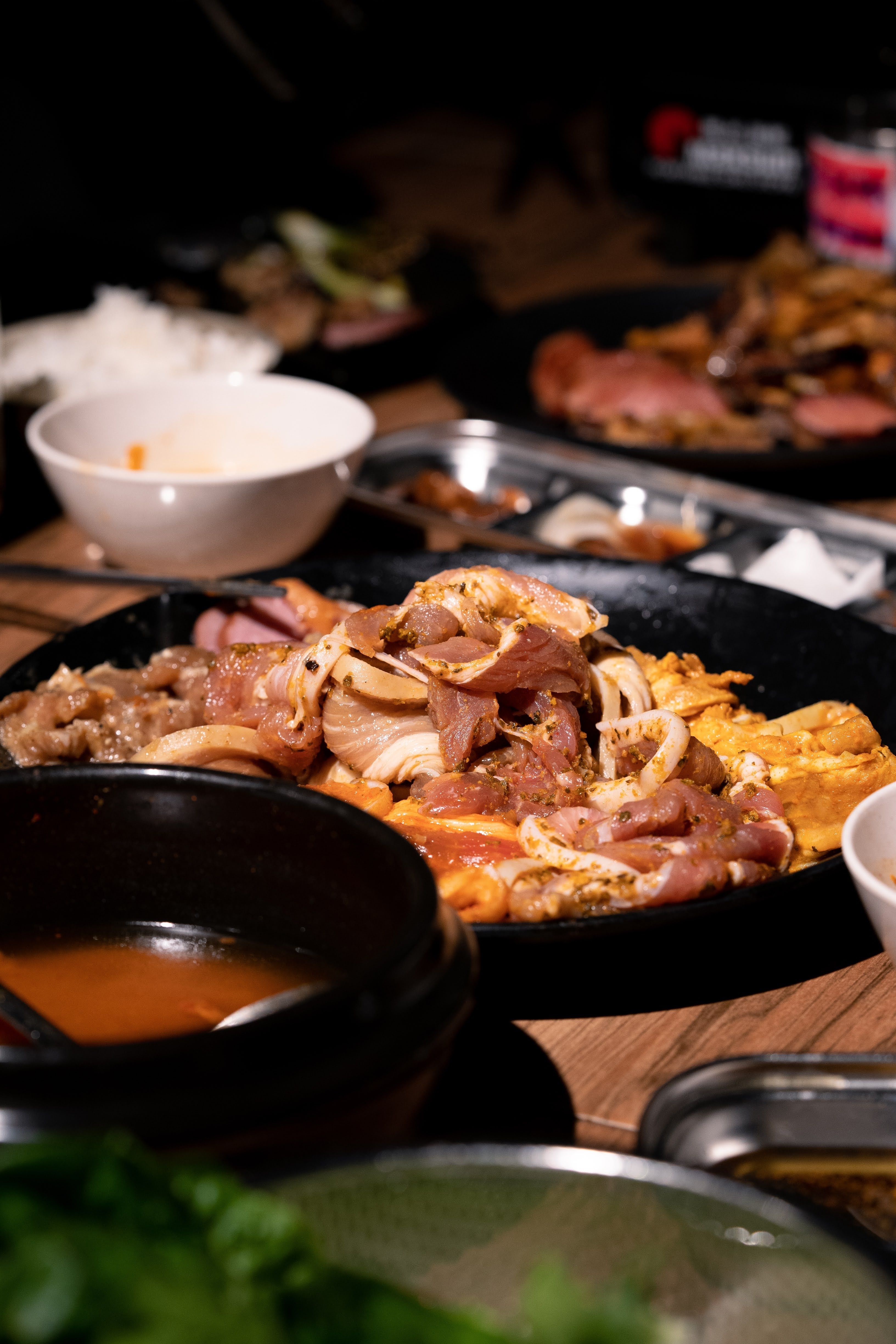
Grilled lamb, known as Jingisukan, is one of Hokkaido's distinctive food traditions. It speaks to the island's agricultural history and is particularly natural alongside Sapporo's beer culture.
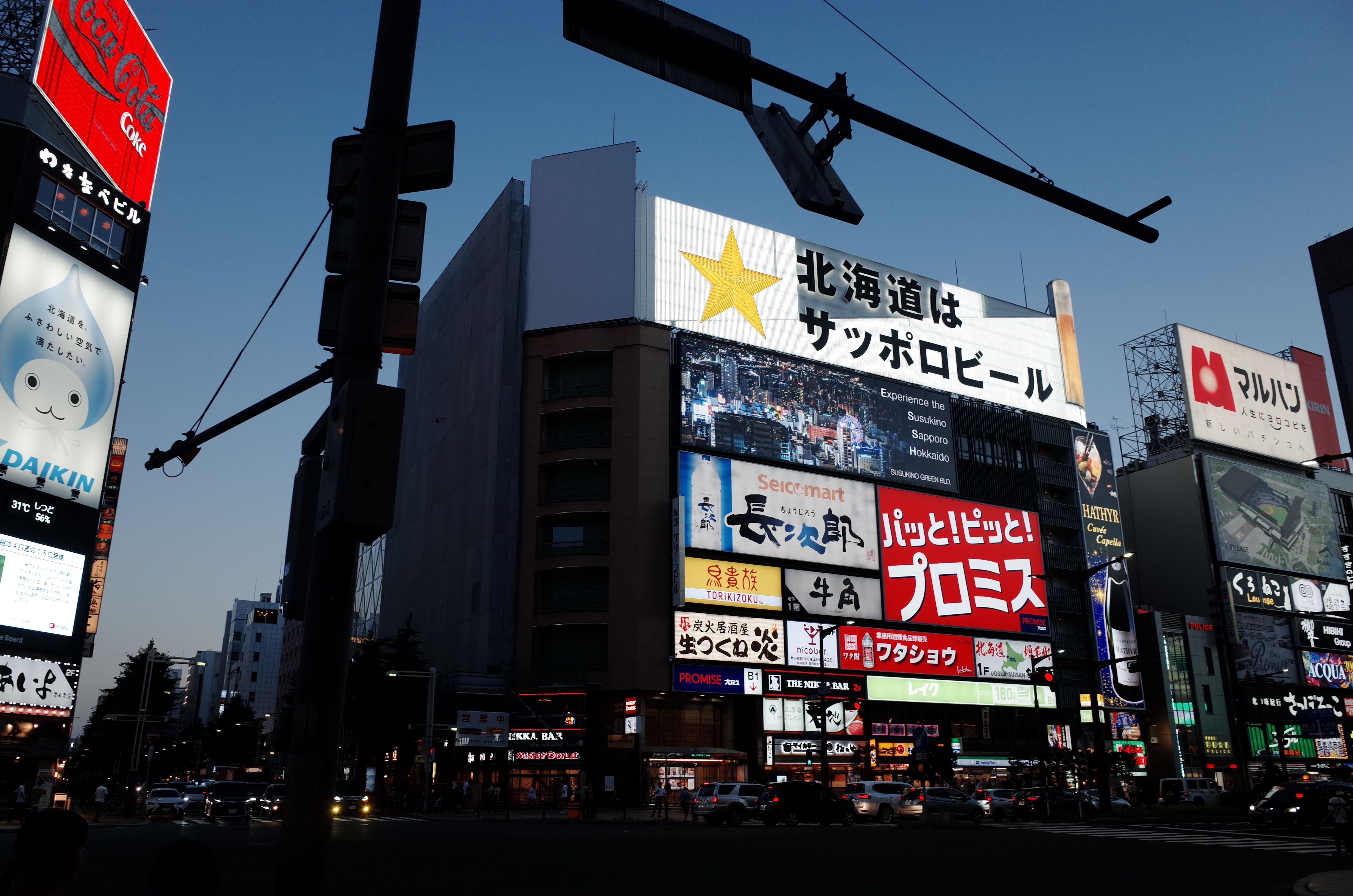
Beer belongs to Sapporo's history as much as its food culture. Brewing developed alongside the agricultural and industrial modernization of Hokkaido, making beer an unusually fitting expression of the city's Western-influenced origins.
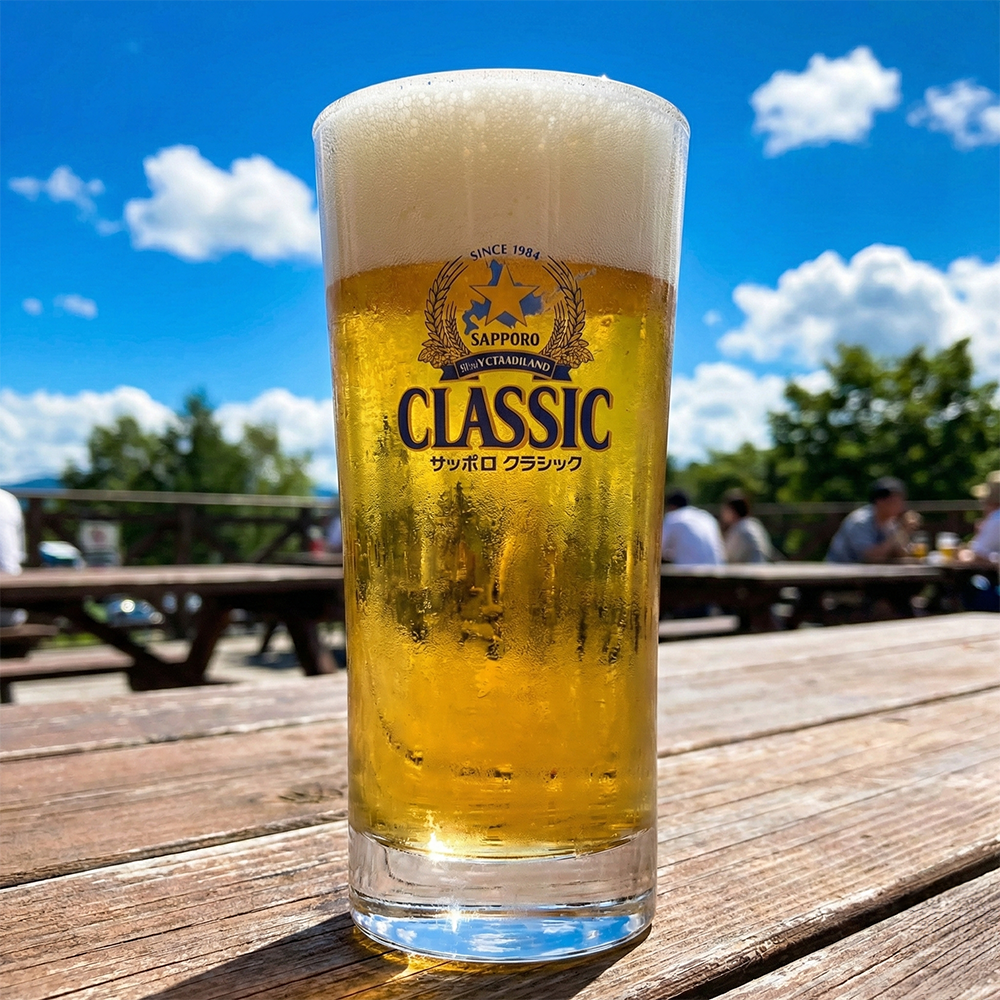
For visitors looking for a taste tied specifically to the island, Sapporo Classic is a natural choice. Brewed for the Hokkaido market, it is a local favorite and a small detail that makes a meal feel distinctly northern.

In Sapporo, a night out can finish with dessert. The city's shime-parfait tradition turns a late-night parfait into a ritual, often following drinks or dinner and making use of Hokkaido's exceptional dairy and seasonal ingredients.
As evening settles over Sapporo, the city takes on another character. Susukino's restaurants, bars, narrow streets, and late-night counters bring together many of the flavors that define Hokkaido.
Grilled lamb, ramen, seafood, local beer, and increasingly sophisticated dessert bars sit comfortably within the same evening. It is an urban food culture that feels both distinctly Japanese and unmistakably northern.
And then there is shime-parfait: the dessert that arrives after dinner, drinks, or both. It is an unexpectedly elegant conclusion to a night in Sapporo.

Sapporo's scale can be surprising. Nearly two million people live in the city, yet mountains, forests, and hot-spring country are close enough to become part of an ordinary day.
Mount Moiwa offers sweeping views back across the city, while Maruyama and the surrounding western districts bring forest and shrine landscapes surprisingly close to the urban center.
Further out, Jozankei provides an easy transition from city to mountain and onsen country. This proximity is one of the reasons Sapporo works so naturally as a base for exploring Hokkaido.
New Chitose Airport is close enough to make Sapporo an unusually convenient gateway to the island. The rapid train connects the airport with central Sapporo in roughly forty minutes.
Sapporo can introduce guests to Hokkaido before they travel into the countryside: its history, food, landscape, and contemporary character provide context for everything that follows.
Returning to Sapporo allows a journey through remote Hokkaido to conclude with a sophisticated meal, an evening in the city, or a final exploration before the short journey back to the airport.
A first visit to Sapporo can easily become a collection of familiar sights: Odori Park, Susukino, ramen, seafood, beer, and the city's famous views.
But the city becomes more interesting when those things are connected. Clark's statue can open a conversation about the development of Hokkaido. Beer can lead to the story of agriculture and Western technology. Jingisukan can reveal something about the island's farming history. A late-night parfait can become a window into contemporary Sapporo.
Our guides use those connections to make the city more legible. Rather than simply moving guests from one attraction to another, we look for the stories, people, food, and places that reveal why Sapporo became what it is.
For travelers and the advisors arranging their journeys, this creates a more meaningful introduction to Hokkaido — one that begins in the city but does not end there.
Explore the young history of Sapporo through its grid, architecture, institutions, and the people who helped shape modern Hokkaido.
Curate an introduction to Hokkaido's seafood, produce, Jingisukan, ramen, dairy, and seasonal specialties.
Experience Sapporo after dark through local beer, Susukino, intimate dining, ramen, bars, and the city's shime-parfait tradition.
Combine the urban character of Sapporo with nearby forests, mountain viewpoints, walking routes, or an excursion toward Jozankei.
Tell us what interests your guests, and we can shape a private experience around the history, food, people, and landscapes of Hokkaido's northern capital.
Plan an Experience